


LNP
Product List
| Catalog No. | Name | CAS No. | Structure | M.W. | Buy |
|---|---|---|---|---|---|
| CH51001 | β-Sitosterol | 83-46-5 | 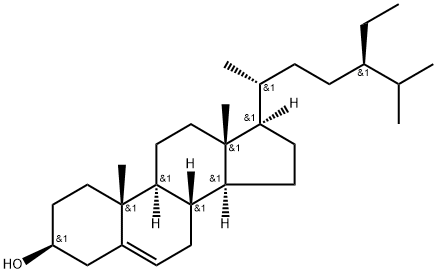 | 414.72 | |
| CH51002 | Potassium Sucrose Octasulfate | 73264-44-5 | 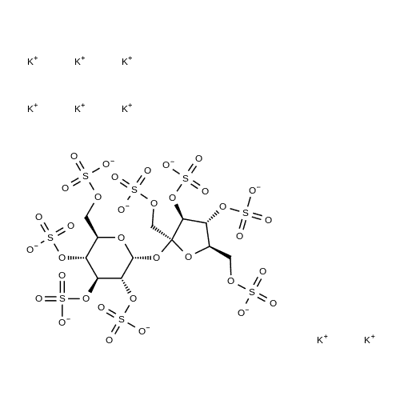 | 1287.52 | |
| CH51003 | DLin-MC3-DMA | 1224606-06-7 |  | 642.09 | |
| CH51004 | DPPC | 63-89-8 |  | 734.04 | |
| CH51005 | DSPC | 816-94-4 |  | 790.15 | |
| CH51006 | HSPC | 92128-87-5 | 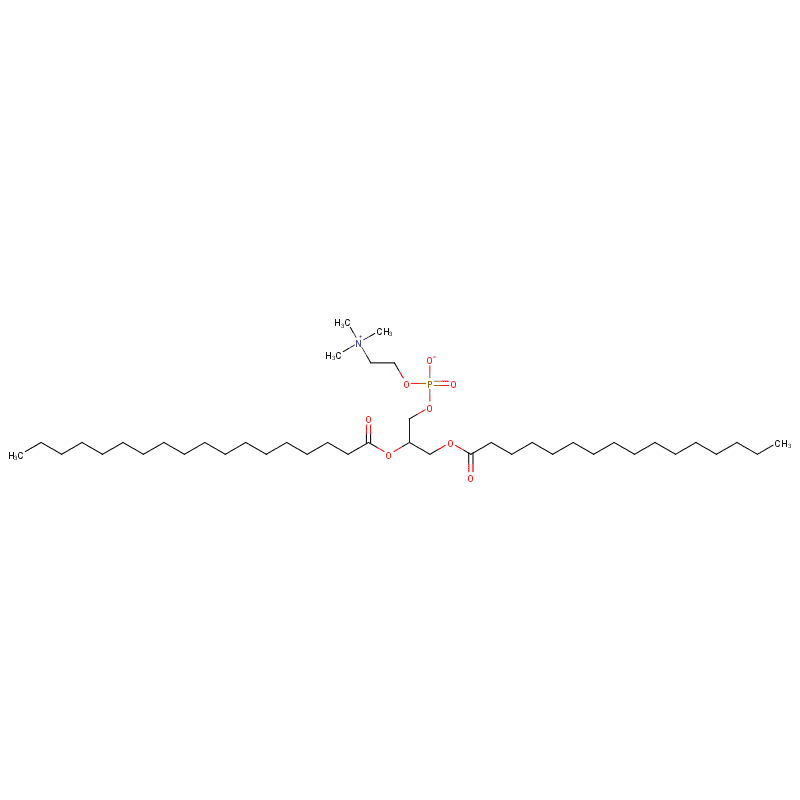 | 762.1 | |
| CH51007 | L-A-PHOSPHATIDYLINOSITOL | 97281-52-2 | 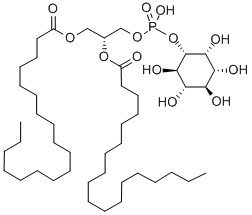 | 867.14 | |
| CH51008 | M-lysoPC | 20559-16-4 |  | 467.58 | |
| CH51009 | C12-200 | 1220890-25-4 | 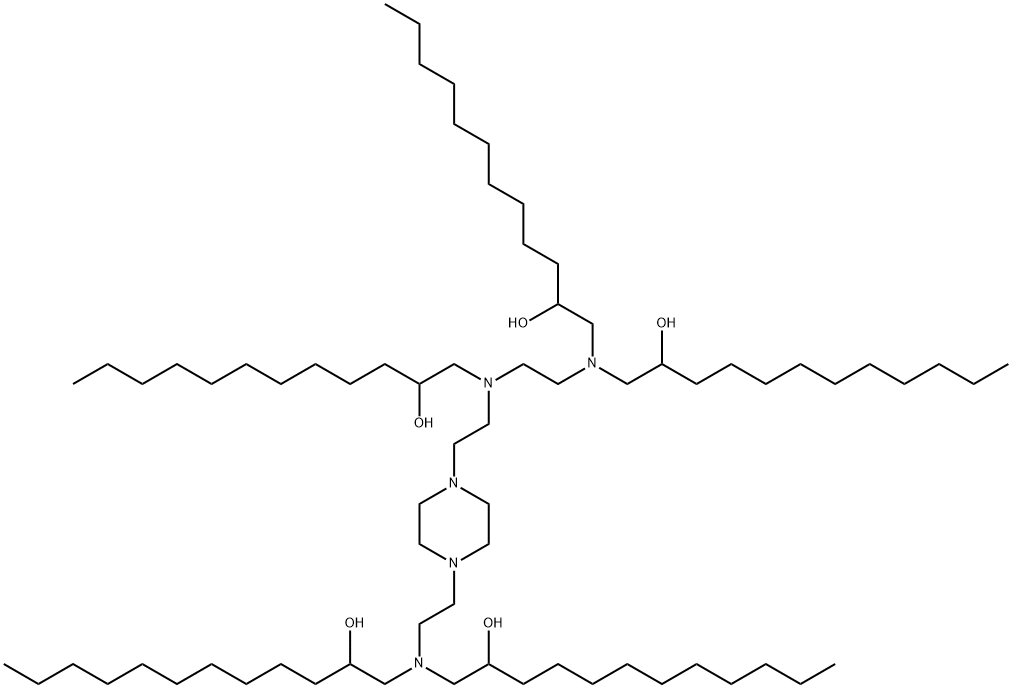 | 1136.93 | |
| CH51010 | ALC-0315 | 2036272-55-4 | 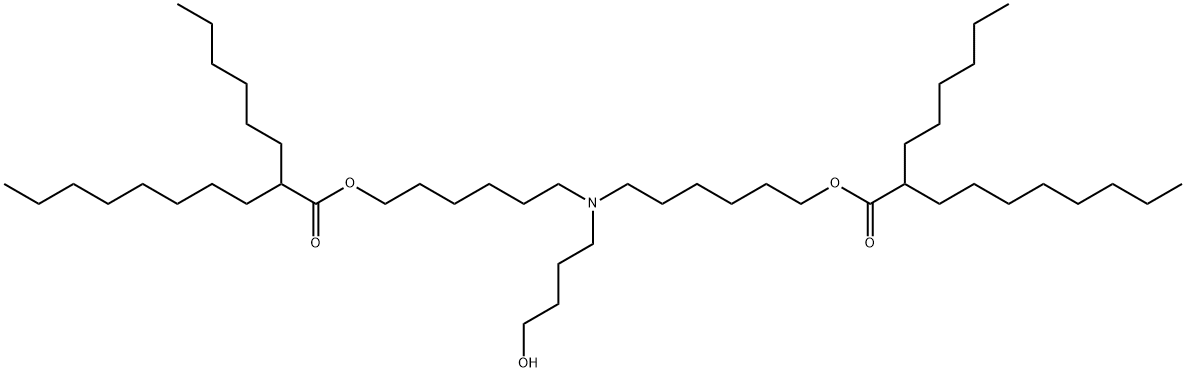 | 766.27 |
Technical Questions
Frequently Asked Questions
Common questions about custom synthesis, process development, analytical information, and project discussion for LNP.
What are the four lipid components of an LNP?
Typical LNP systems contain an ionizable lipid, a helper phospholipid, cholesterol or a sterol analog, and a PEG-lipid. Each component contributes to encapsulation, membrane behavior, particle stability, and formulation performance.
How do I choose between different ionizable lipids?
Selection depends on target payload, tissue objective, formulation compatibility, intellectual-property considerations, and the intended research workflow. Many projects compare several ionizable lipids and related analogs before selecting a lead formulation component.
What scale of LNP lipids can CHEMOS support?
CHEMOS can review custom synthesis, route development, and scale-up requirements according to the target structure and requested specification. Availability, batch size, and documentation should be confirmed with the sales and technical teams for each project.
How are unsaturated lipids handled?
Unsaturated lipids are reviewed for oxidation sensitivity, packaging requirements, and storage conditions. Inert-atmosphere handling or low-temperature shipment can be discussed when appropriate for the compound form.
Can CHEMOS provide technical documentation for LNP lipid projects?
Batch-specific COA and relevant technical information are provided according to the confirmed specification. Additional documentation requirements can be discussed during project review.
Get in touch
Connect with Innovation, Partner for Success
Whether you're in early discovery or preparing for scale-up, CHEMOS delivers efficient, reliable, end-to-end CDMO support powered by advanced synthesis technologies.