
Actualités du secteur
Tendances pharmaceutiques et technologies émergentes
Toutes les actualités
59 articles au total
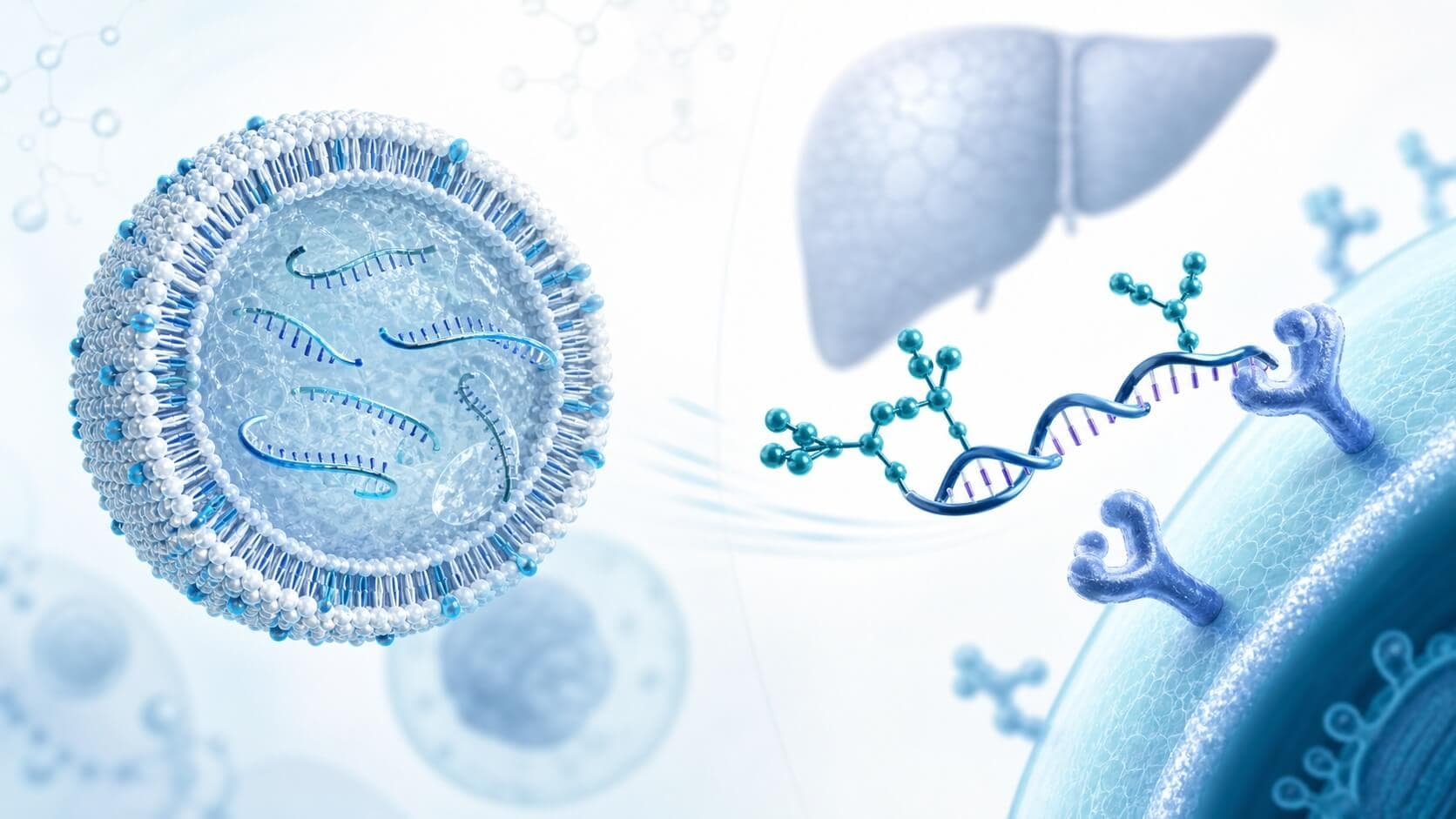
LNP vs GalNAc Delivery for siRNA: Formulation and Manufacturing Considerations
Small interfering RNA (siRNA) therapeutics are designed to silence disease-related genes through RNA interference. The concept is elegant: a short double-stranded RNA molecule is introduced into cells, the guide strand is loaded into the RNA-induced silencing complex, and the complex directs sequence-specific degradation of the target mRNA. In practice, however, the success of siRNA is rarely determined by sequence design alone.
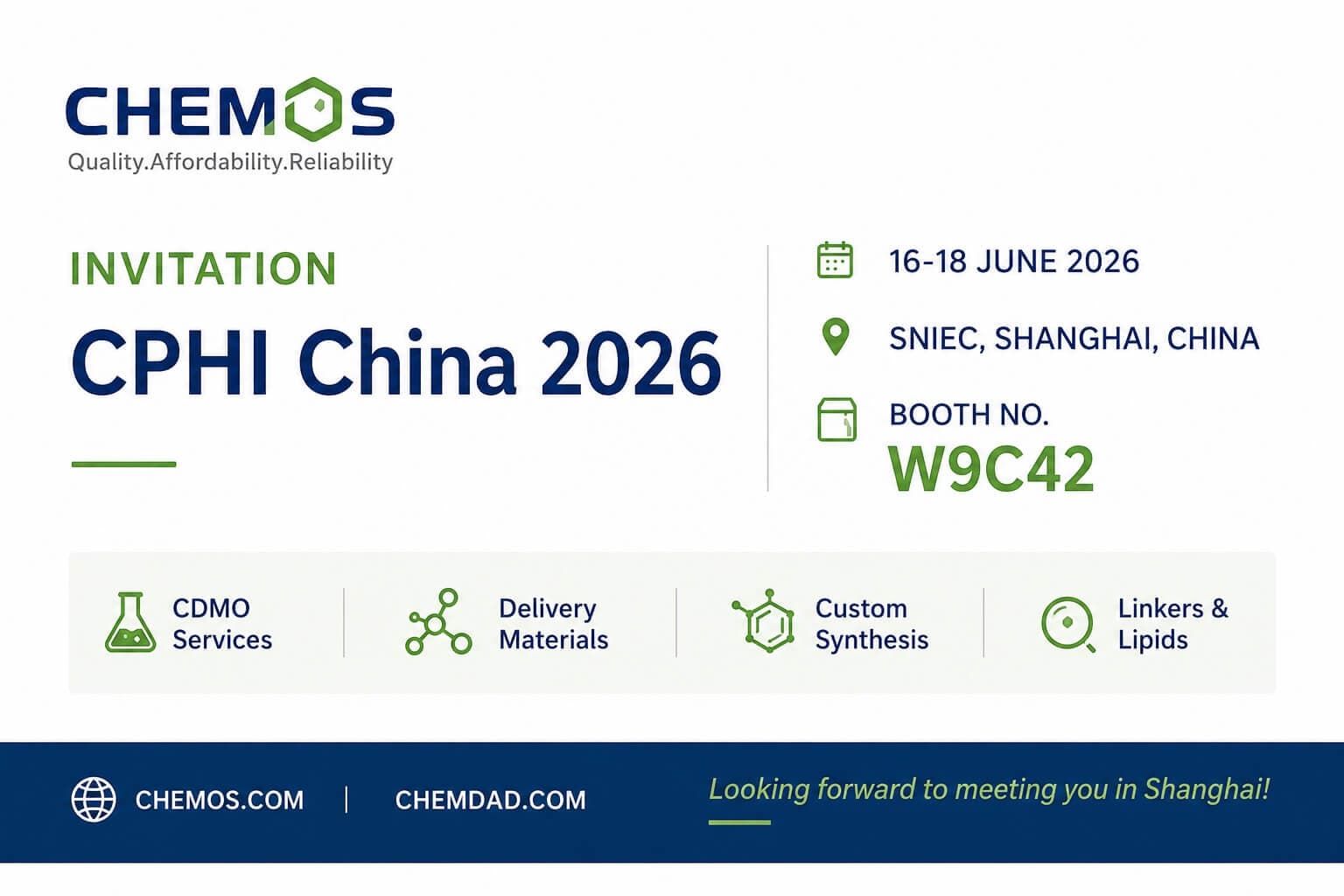
CHEMOS at CPHI China 2026 | Booth W9C42
Chongqing Xingcan Pharmaceutical Technology Co., Ltd. (CHEMOS) will participate in CPHI China 2026, held on 16–18 June 2026 at SNIEC, Shanghai (Booth No.: W9C42). The company will showcase its small molecule CDMO services, advanced drug delivery materials (lipids, PEG derivatives, linkers, functional excipients, etc.), and process development & manufacturing capabilities. CHEMOS warmly welcomes global partners, clients, and industry professionals to discuss custom synthesis, CDMO cooperation, material sourcing, scale-up manufacturing, and long-term strategic partnerships.
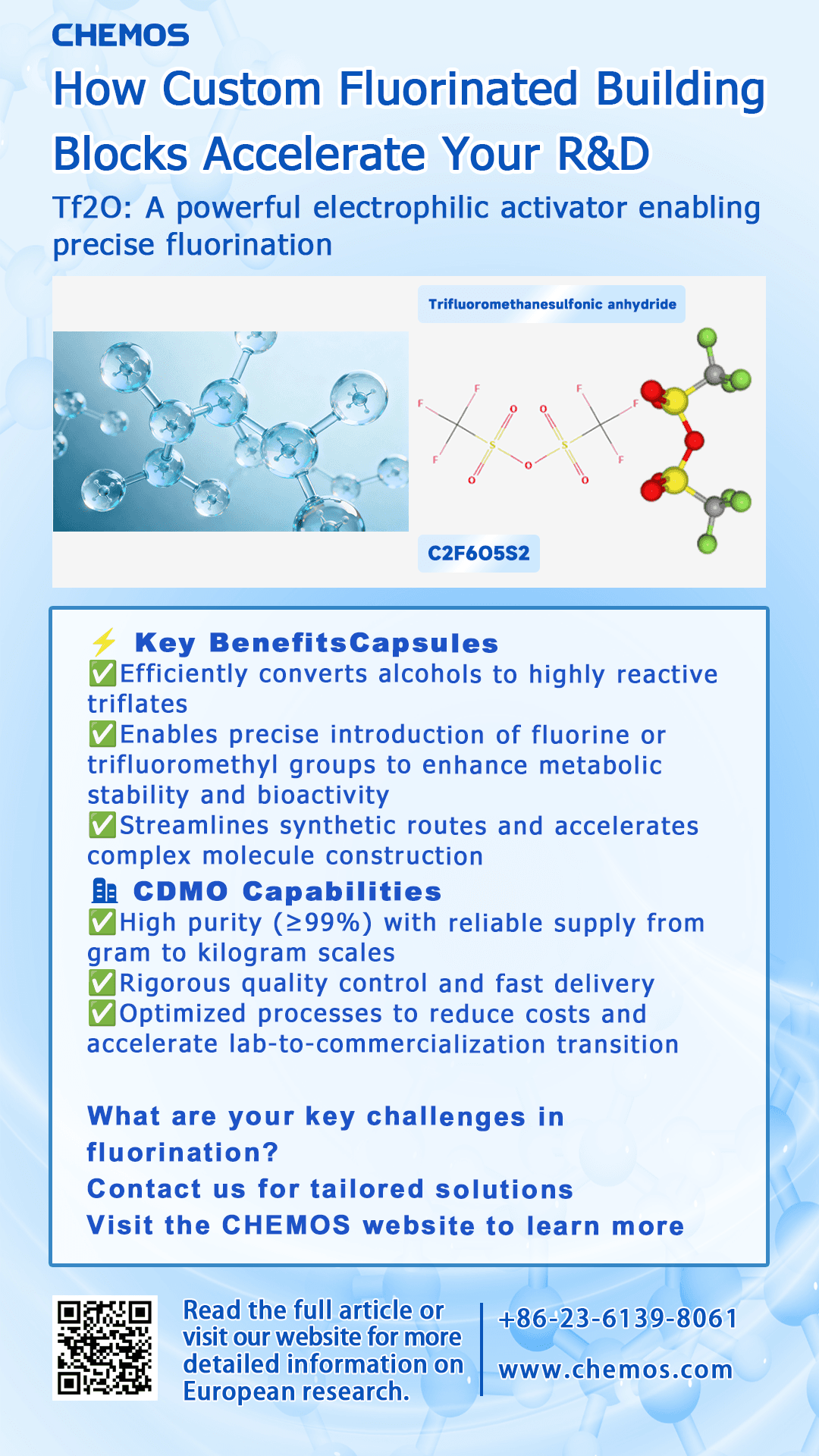
How Custom Fluorinated Building Blocks Accelerate Your R&D
Trifluoromethanesulfonic anhydride (Tf2O) is a highly efficient electrophilic activator in modern pharmaceutical synthesis, enabling precise introduction of fluorine atoms or trifluoromethyl groups into molecular scaffolds. This enhances metabolic stability, lipophilicity, and biological activity—key parameters in drug discovery. Its mechanism involves converting alcohols into reactive triflates, facilitating nucleophilic substitutions and cross-couplings. As a professional CDMO, we offer custom synthesis of Tf2O at ≥99% purity, scalable from gram to kilogram and beyond, with stringent quality control and fast delivery. Our services help pharmaceutical companies streamline fluorination steps, shorten synthetic routes, reduce costs, and accelerate the transition from lab to commercialization for novel fluorinated APIs.
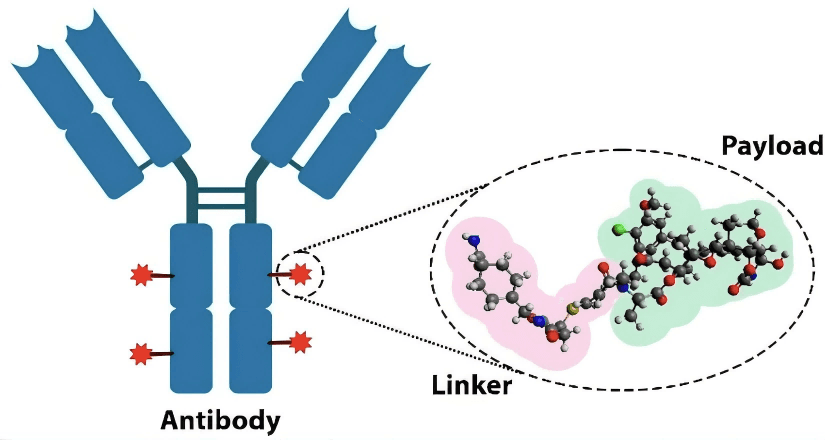
Linker Design in Antibody-Drug Conjugates: Strategies and Cutting-Edge Advances
Antibody-drug conjugates (ADCs) enable targeted cancer therapy by linking antibodies to cytotoxic drugs, realizing Paul Ehrlich’s “magic bullet.” A recent review highlights linkers as key to stability and efficacy: cleavable linkers (e.g., enzyme-sensitive Val-Cit) enable precise tumor release, while non-cleavable linkers offer better plasma stability. Core strategies include site-specific conjugation, release triggers, and hydrophilic spacers to prevent aggregation. Advances feature dual-stimuli triggers, traceless release, branched structures, and AI tools like Linker-GPT. With 17 ADCs approved, challenges remain in immunogenicity, manufacturing, and resistance; future efforts focus on computational modeling and nanotechnology to expand applications beyond oncology.
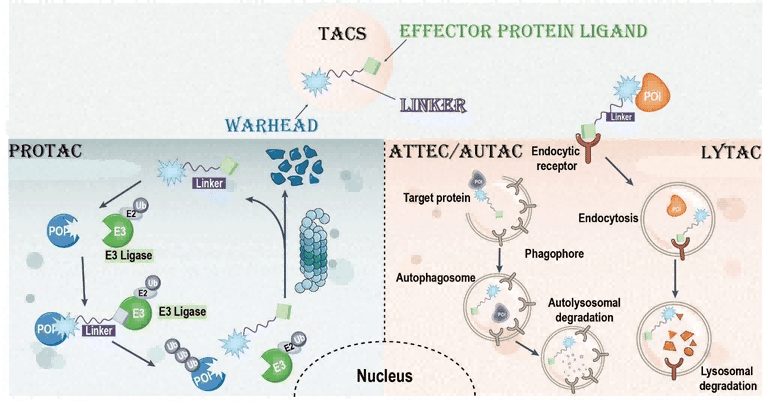
Review of the Development History of TACs Multifunctional Linkers
Targeted chimeras (TACs, such as PROTACs and LYTACs) represent a potential strategy for the selective degradation of difficult-to-drug proteins, acting through bifunctional molecules or molecular glues to provide novel therapies for diseases that are difficult to treat with traditional small molecules. As a bridge connecting target protein ligands and effector protein ligands, the linker of TACs is crucial to molecular conformation and activity. Recent advancements in photo-controlled and cleavable linker design have improved the efficiency and spatiotemporal control of TACs, but challenges remain, such as optimizing stability.