
業界ニュース
製薬業界の動向と新しい技術に関するインサイト
すべてのニュース
合計59件の記事

Critical Quality Attributes for Oligonucleotide Intermediates
Critical quality attributes, or CQAs, are physical, chemical, biological or microbiological properties that should be controlled to ensure a material is suitable for its intended use. For oligonucleotide intermediates and related materials, CQAs are closely tied to identity, purity, impurity profile, stability and downstream performance. Oligonucleotide quality control is more complex than a single purity number. The molecule is sequence-defined, charged, often modified and sometimes conjugated to a ligand. A material may require confirmation of molecular weight, sequence, modification pattern, water content, counterions, residual solvents and related impurities.

Purification Strategies for siRNA and Oligonucleotide Intermediates
Oligonucleotide purification is difficult because the product and impurities are often very similar. A truncated sequence may differ from the target by one nucleotide. A phosphorothioate-related impurity may differ by a single oxygen-to-sulfur substitution. A deaminated product may differ by only one Dalton. These differences are small compared with the size and charge of the molecule. In siRNA programs, purification is also connected to duplex formation. Two single strands must be made, purified and annealed correctly. The final material may contain residual sense strand, residual antisense strand, mismatched duplexes, aggregates or degradation products. A useful purification strategy must therefore account for both single-strand and duplex quality.
Solid-Phase Synthesis of Oligonucleotides: Process Parameters and Impurity Control
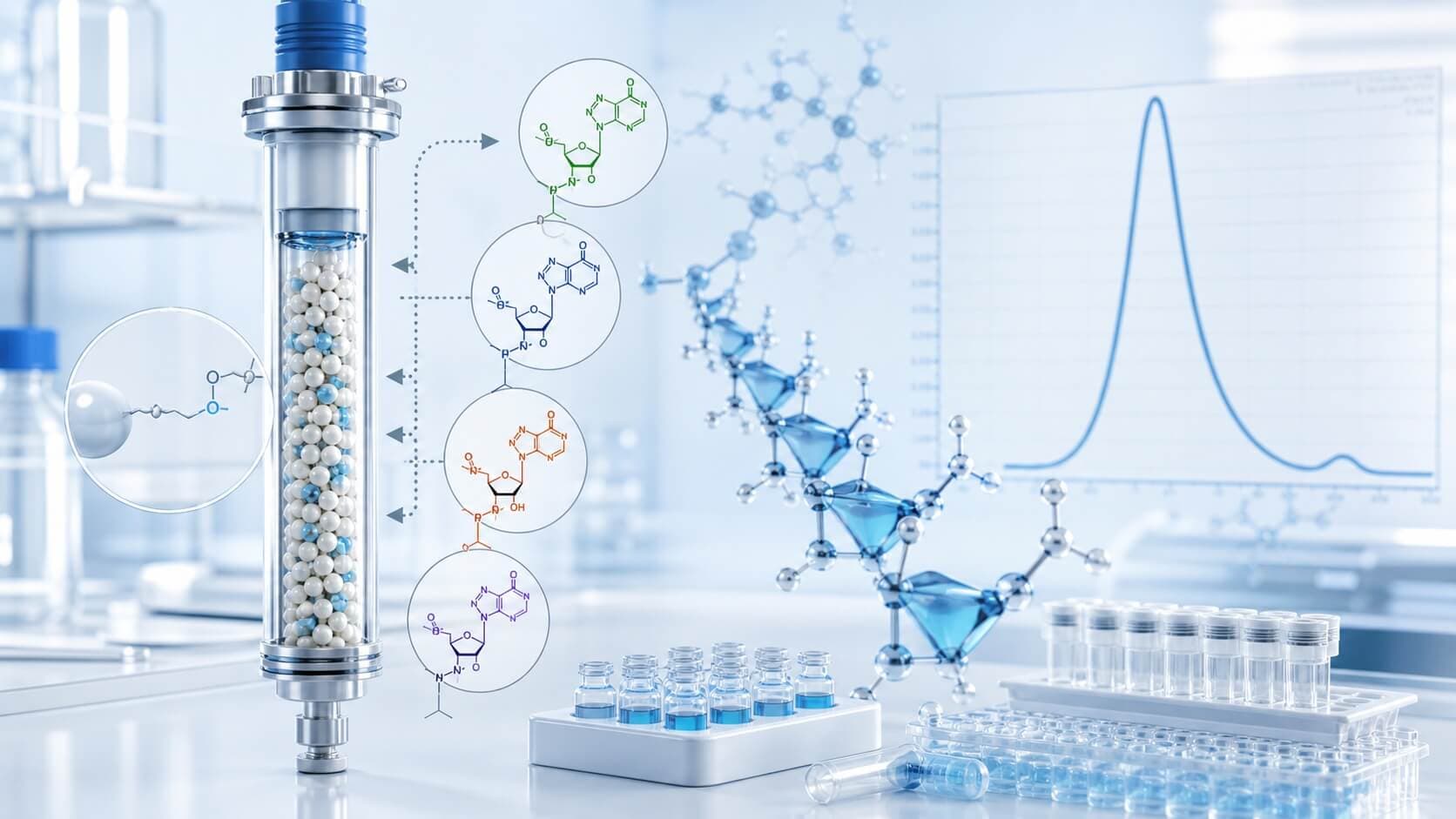
Solid-phase phosphoramidite synthesis is the dominant chemical method for producing defined oligonucleotide sequences. It builds the chain step by step on a solid support, usually from the 3' end toward the 5' end. Each nucleotide is added through a controlled cycle of deprotection, coupling, oxidation or sulfurization, and capping. The method is powerful because it allows precise sequence control and incorporation of modified nucleotides. It is used for DNA oligos, RNA oligos, antisense oligonucleotides, siRNA strands and many modified constructs. However, it is also unforgiving. A small loss of efficiency in each cycle accumulates across the full sequence, creating truncated impurities and reducing full-length yield.

Key Process Development Challenges in siRNA Therapeutics
siRNA therapeutics sit at the intersection of synthetic chemistry, molecular biology, analytical science and drug delivery. A successful program must connect sequence design, chemical modification, solid-phase synthesis, purification, delivery strategy, quality control and scale-up. Weakness in any one part can delay the whole program. Unlike many small molecules, siRNA products are large, charged and sequence-defined. They contain many chemically similar repeating units. Their impurities may differ from the target by one nucleotide, one modification, one sulfur atom or one small degradation event. This makes analysis and purification difficult. At the same time, siRNA molecules must be stable enough for biological use but still compatible with RNAi machinery inside the cell.
GalNAc Conjugates in siRNA Delivery: Chemistry and Development Considerations
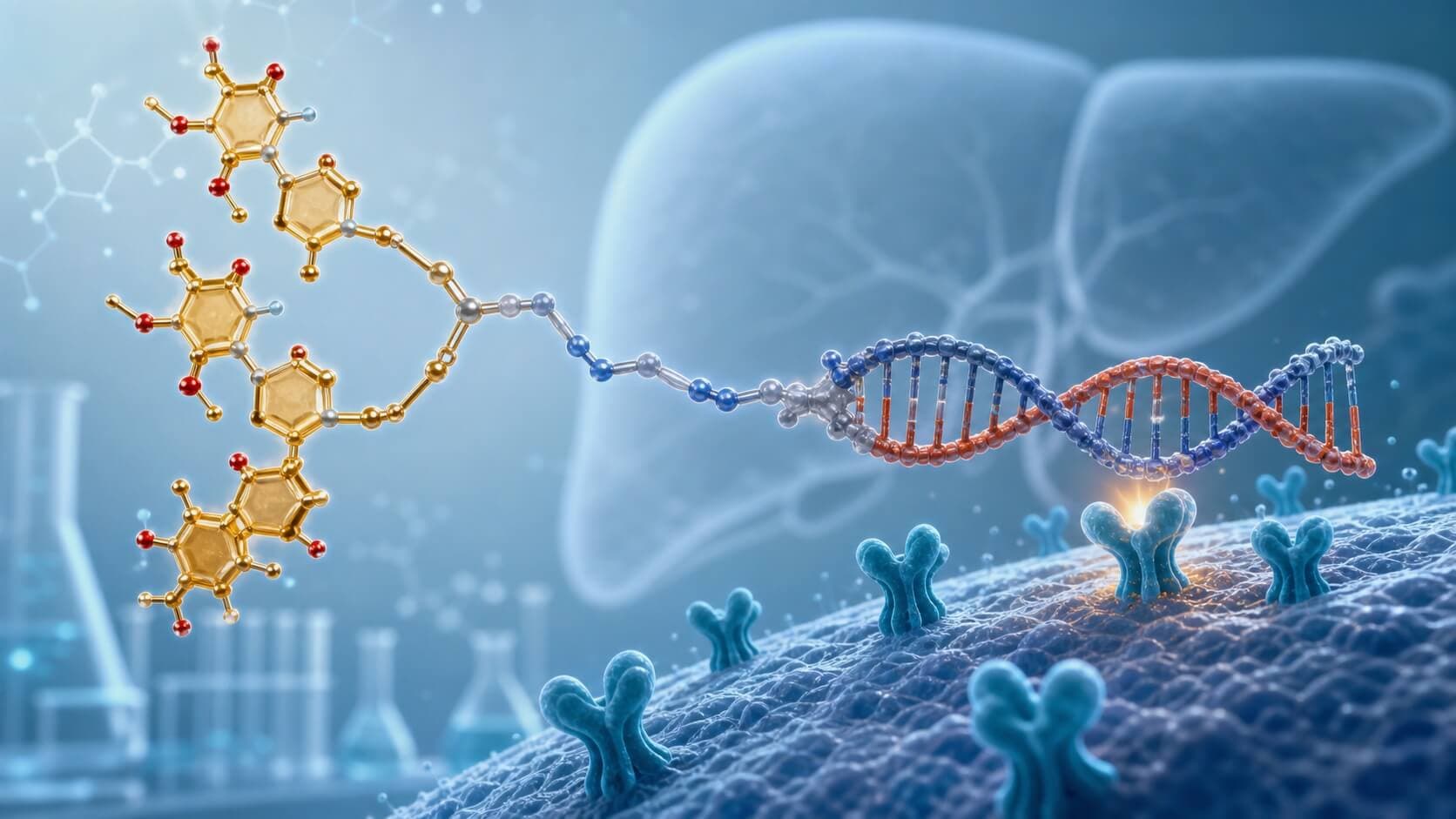
GalNAc-mediated delivery is a ligand-based strategy for directing siRNA to liver hepatocytes. GalNAc stands for N-acetylgalactosamine, a sugar ligand recognized by the asialoglycoprotein receptor (ASGPR). Because ASGPR is highly expressed on hepatocytes, multivalent GalNAc ligands can guide conjugated siRNA molecules into liver cells through receptor-mediated endocytosis.
How LNP Lipid Quality Affects Nucleic Acid Delivery
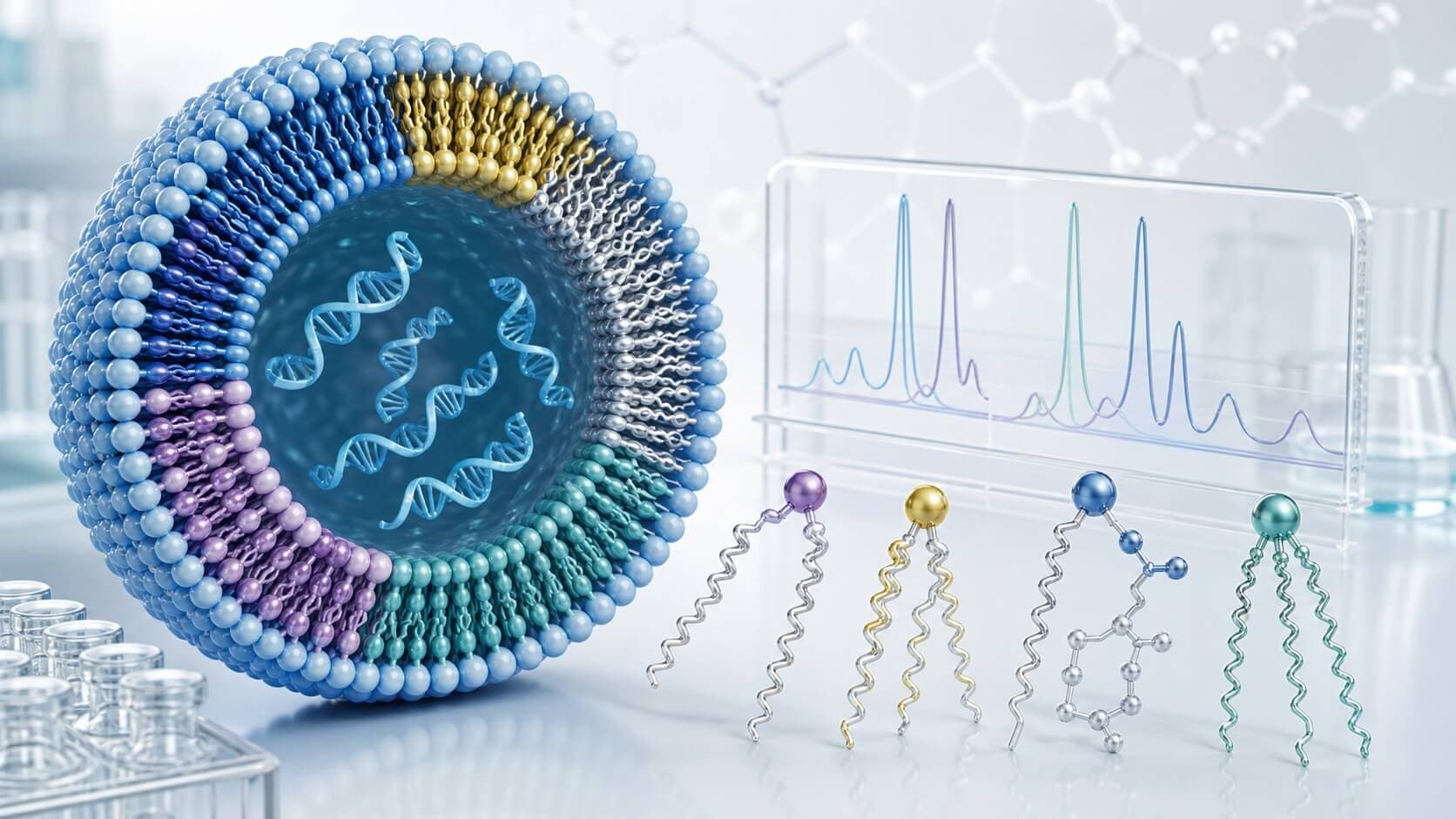
Lipid nanoparticles have become one of the most important delivery systems for nucleic acid therapeutics. They can protect RNA payloads, support cellular uptake and enable delivery of siRNA, mRNA and gene-editing cargos. Yet the performance of an LNP formulation depends not only on the nucleic acid payload or the mixing equipment. It depends strongly on the chemical quality of the lipid components.